You don’t need another bank account. You need a way to stop 40 different subscriptions, ad accounts, and contractor payments from sharing the same card number — so one compromised login doesn’t mean re-issuing everything. That’s the actual problem Wallester Business is trying to solve, and it’s worth being honest about whether it does.
I run two Shopify stores and a WordPress blog, and the “one business debit card for everything” setup is exactly the kind of mess Wallester is built to replace. So I went through the free plan, the pricing page, and a stack of third-party audits to figure out what’s real and what’s marketing gloss. Here’s the straight version.
What Wallester Business actually is (and isn’t)
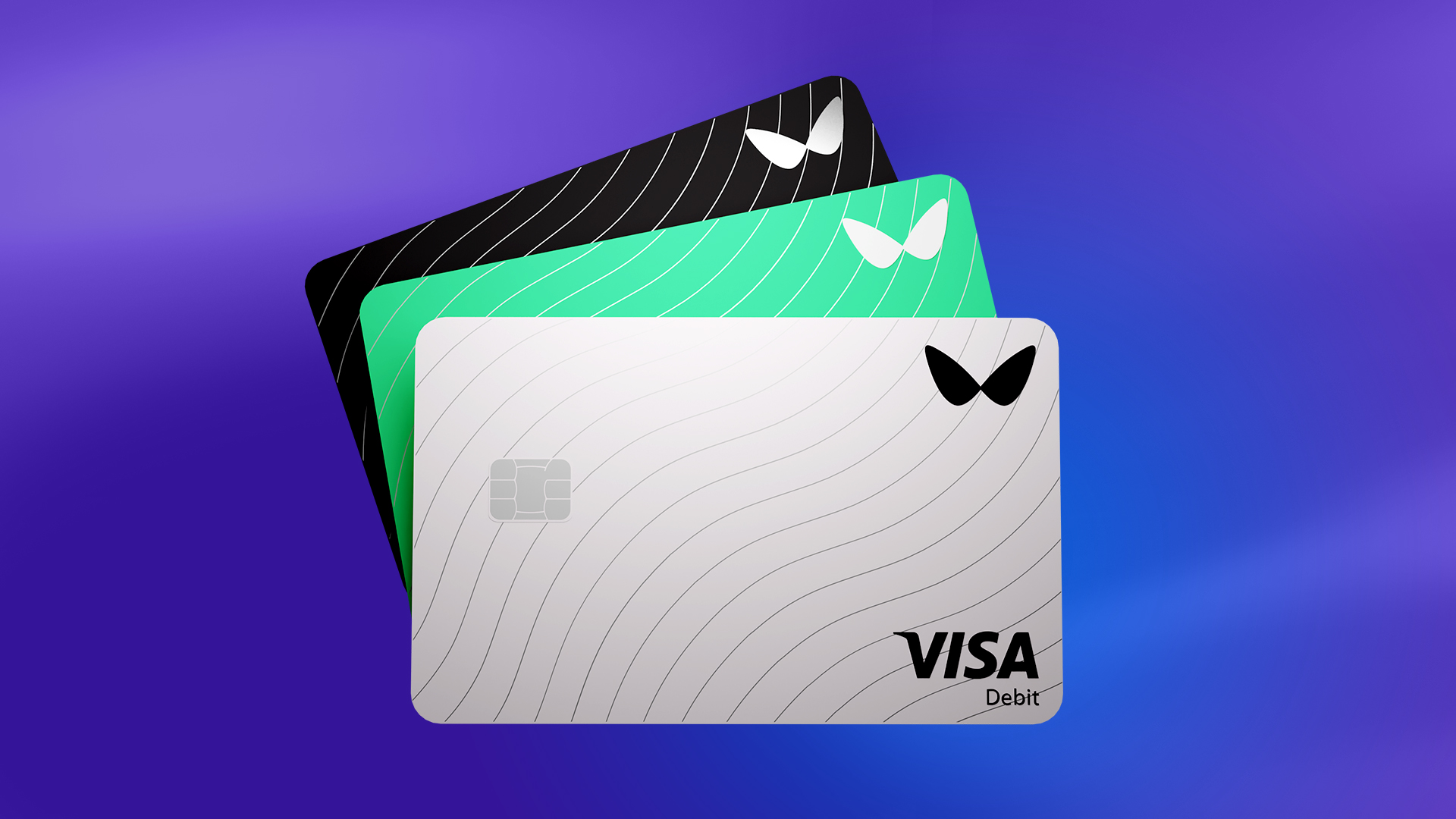
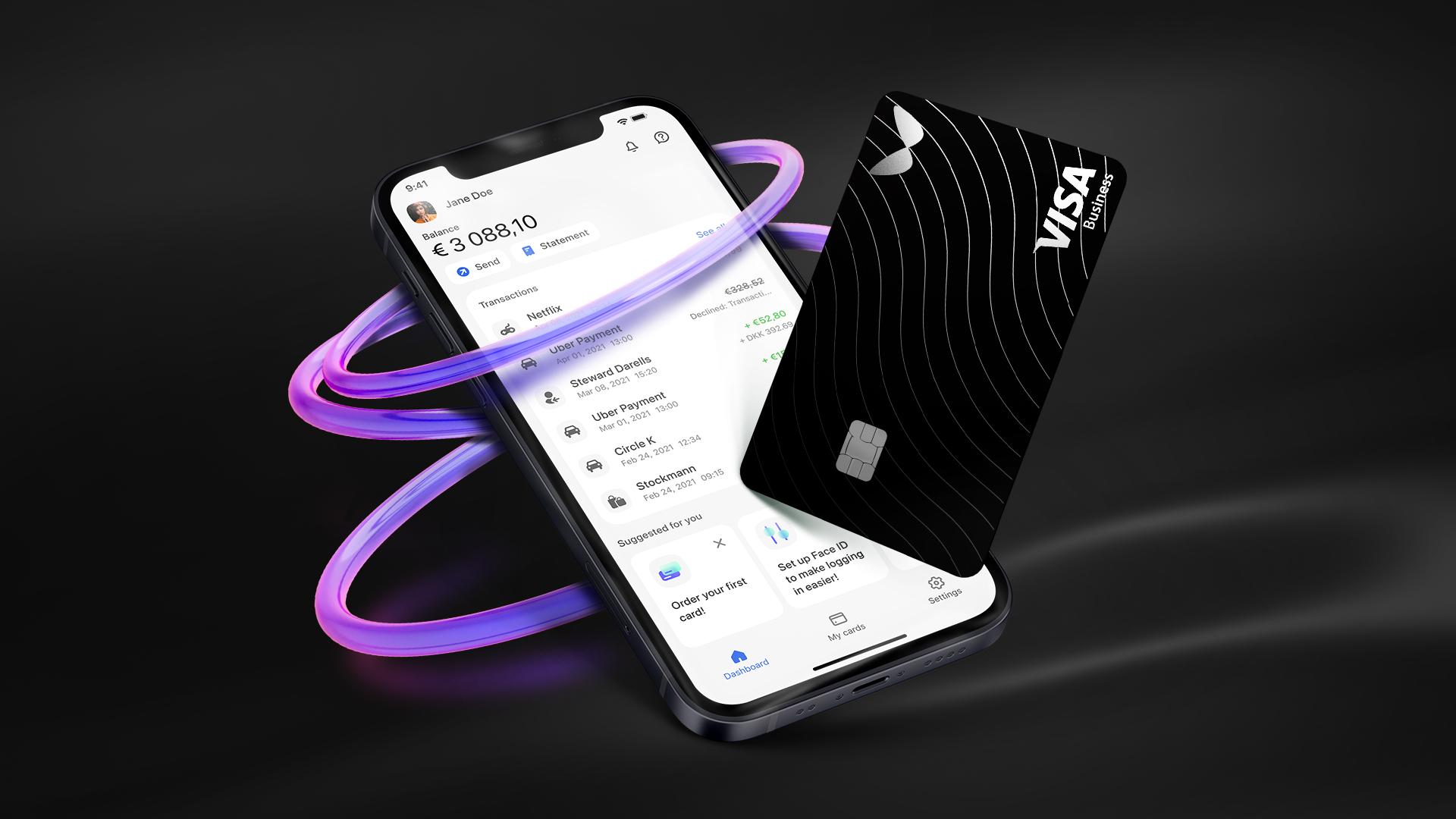
Wallester Business is a corporate card and spend-control platform run by Wallester AS, an Estonian company licensed as a payment institution, with a separate FCA-authorized entity, Wallester UK Ltd, now handling UK customers as of May 2026. It gives you a multi-currency IBAN, unlimited virtual and physical Visa cards, and a dashboard to set spending limits, freeze cards instantly, and pull transaction data via CSV or a REST API.
Here’s the myth to bust up front: Wallester Business is not a bank. It’s an electronic money account. That distinction matters more than most reviews admit — your balance is “safeguarded” in a segregated account, not protected by a deposit insurance scheme like the FSCS in the UK. If Wallester ran into trouble, you’d be relying on the safeguarding arrangement, not a compensation payout. Keep that in mind before you park a large working balance there.
What it’s genuinely good at is card-level control. You’re not managing “the business card” — you’re managing 40 or 300 individual cards, each with its own limit, each disposable the moment you don’t need it. That’s a different mental model than a normal business debit card, and it’s the actual reason people adopt it.
What the free plan is actually testing you on
The free plan isn’t a stripped-down trial — it’s a permanent tier, and it’s more generous than most competitors’ paid entry point. Here’s exactly what’s in it:
- 300 virtual Visa cards included, ongoing, no expiry
- Unlimited physical card issuance (you pay only for delivery — €5 standard, €20 express)
- Unlimited employee/user seats in the dashboard
- Multi-currency IBAN holding EUR, USD, GBP, SEK, NOK, DKK, PLN, CZK, HUF, RON
- Real-time spend controls — daily/weekly/monthly limits, merchant-category blocks, instant freeze
- Open REST API and webhooks for developers
- CSV export of every transaction
What’s quietly missing from free: native Xero/QuickBooks sync, automatic receipt-data extraction, and in-depth analytics. Those sit behind the €199/month Premium plan. If your whole reason for wanting Wallester is “sync straight into my accounting software,” free won’t get you there — plan around that before you build a workflow on it.
Pricing, in plain numbers
| Plan | Monthly price | Virtual cards included | Extra card cost | Xero / QuickBooks |
|---|---|---|---|---|
| Free | €0 | 300 | €0.35/mo each | Not included |
| Premium | €199 | 3,000 | €0.20/mo each | Included |
| Platinum | €999 | 18,000 | €0.10/mo each | Included |
| Enterprise | Custom | Custom | Custom | Included |
The math that actually matters: if you’re on Free and blow past 300 cards, extra cards cost €0.35/month each. Five hundred extra cards would run you €175/month — at which point Premium (€199/month, 3,000 cards, plus accounting sync) is the better deal, not the cheaper one. Don’t sit on overage fees out of habit.
The catches nobody puts in the headline
This is the myth-busting section, because every “300 free cards!” post skips these five lines:
- Currency conversion costs Visa’s rate + 2%. If you’re spending regularly in a currency you don’t hold in your IBAN, that 2% adds up fast. Spend €10,000/month converted and you’re paying €200/month — more than the Premium subscription.
- Xero and QuickBooks sync is a Premium-plan feature (€199/mo+), not a free one. And even then, it’s described as “review and map, then manually trigger the sync” rather than fully automatic — plan for a human in the loop.
- No FSCS (or equivalent) protection. Funds are safeguarded, not insured. Don’t park your entire operating balance there.
- Fund holds during verification are a recurring complaint. Third-party review sites flag cases of transfers being held for weeks over name-mismatch checks. Keep a fallback account for anything time-critical, like payroll.
- No documented multi-stage approval chain (manager → finance → sign-off). Wallester has role-based permissions and per-card limits, but not a formal approval workflow — that’s a gap if your company policy requires one.
None of these make Wallester a bad product. They make it a specific tool with real trade-offs, which is a different thing than the “completely free forever” pitch implies.
Who should sit this out
Skip Wallester Business if any of these describe you:
- You need Xero or QuickBooks syncing from day one and can’t justify €199/month for it yet.
- Most of your spending happens in currencies outside the ten Wallester supports — the 2% conversion fee will eat your savings.
- Your business requires a documented multi-level approval chain for every purchase.
- You want FSCS-level protection on the balance you’re holding.
- You’re outside the supported regions — EEA, UK, UAE, Singapore, USA, Canada.
If you’re nodding at two or more of those, look at Moss or Payhawk instead — both are built around the accounting and approval workflows Wallester is still catching up on.
How to actually set it up
- Sign up and verify. Create a free account, submit company details, and get verified — Wallester states this typically completes within 24 hours.
- Fund the account. Top up via bank transfer (free in euros, €15 for other currencies) or by card (1.2% fee).
- Issue your first cards. Create virtual cards instantly in the dashboard for each subscription, ad account, or contractor — set the limit before you set the card live.
- Set spend rules. Daily/weekly/monthly caps and merchant-category blocks stop a compromised card from becoming a real problem.
- Export or connect. On Free, pull transactions via CSV or the API. If you need live Xero/QuickBooks sync, that’s the point to weigh upgrading to Premium.
Wallester vs. the obvious alternatives
| Tool | Free tier | Pricing model | Best for |
|---|---|---|---|
| Wallester Business | 300 virtual cards | Per card volume | More cards than people |
| Pleo | None | Per user | Small teams, simple receipts |
| Moss | None | Per user | 10–100 staff, Xero-first workflow |
| Payhawk | None | Per user/entity | Multi-entity, ERP-heavy finance teams |
The honest verdict
If your problem is “I have too many recurring charges sharing one card,” Wallester’s free plan solves it cleanly and costs nothing to try. If your problem is “I need my books to update themselves in Xero without me touching anything,” you’re paying €199/month for that — and at that price, you should be comparing Wallester against Moss and Pleo on equal footing, not treating it as the free option.

The clearest way to decide: count how many cards you actually need, check whether most of your spending sits inside the ten currencies Wallester holds, and be honest about whether “review then sync” accounting is good enough or you need something fully automatic. Those three answers make the call for you.
☕ Related on Laptop & Coffee
FAQs
Is Wallester Business actually free?
Yes, permanently — not a trial. You get 300 virtual cards and unlimited physical cards at €0/month. You still pay for physical card delivery (€5–€20), currency conversion outside your held currencies (+2%), and cards beyond the 300-card allowance (€0.35/month each).
Is Wallester Business legit and regulated?
Yes. Wallester AS is licensed in Estonia as a payment institution, and Wallester UK Ltd is FCA-authorized as an electronic money institution (authorized May 2026, firm reference 1040163). It’s also an official Visa Principal Member and PCI DSS Level 1 certified. It is not a bank, and balances aren’t FSCS-insured.
Does Wallester Business integrate with Xero or QuickBooks?
Yes, but only from the Premium plan (€199/month) upward — not on the free plan. NetSuite, Sage Intacct, FreshBooks, Exact Online, DATEV, and Pennylane are also listed, with some still in development.
What are the hidden fees with Wallester Business?
The main ones: 2% on currency conversion (Visa rate), €5–€20 for physical card delivery, 1.2% for card top-ups, and €15 for bank-transfer top-ups in non-euro currencies. None are hidden exactly — they’re on the published price list — but they rarely make it into “it’s completely free” headlines.
Is Wallester Business a bank account?
No. It’s an electronic money account. Funds are safeguarded in a segregated account rather than covered by deposit insurance like the FSCS. There’s no lending, overdraft, or credit facility.
How many free virtual cards do you get with Wallester Business?
300, included permanently on the free plan, plus unlimited physical card issuance (you only pay delivery costs).
Who is Wallester Business best for?
Businesses that need more cards than people — separating ad accounts, SaaS subscriptions, and contractor spend onto individual cards with hard limits. It’s less suited to teams that need automated accounting sync from day one or a formal multi-stage approval process.
Sources: Wallester (wallester.com/business, wallester.com/business/pricing), Business Expert UK, OMR Reviews, Forbes Advisor UK, Nuts About Money, G2, Capterra, GetApp. Facts checked against Wallester’s published price list; third-party figures verified July 2026.